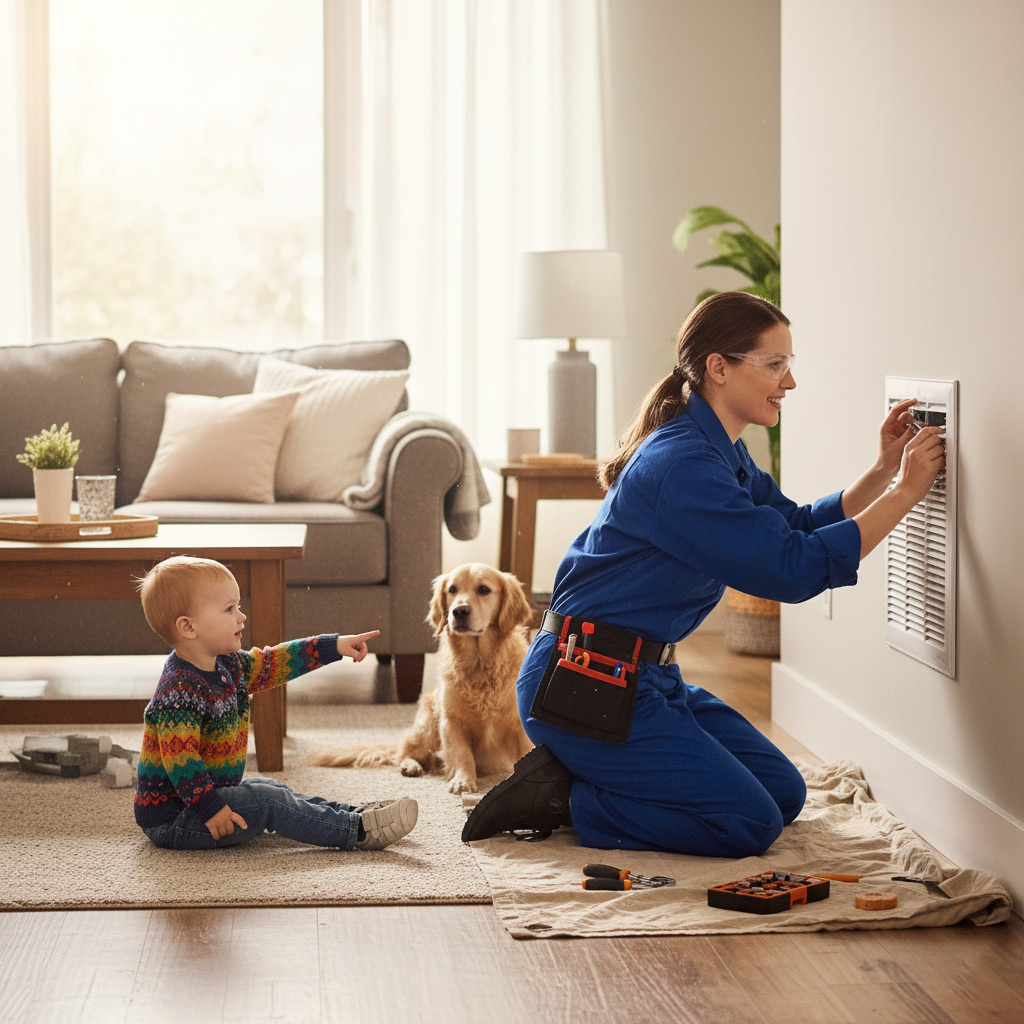
Picture this: it’s a blistering July afternoon in Fontana, the thermostat hits 78°, and your AC coughs its last breath. The repair quote lands on your kitchen table looking more like a down‑payment on a new house.
Most homeowners make the same cheap‑shot choices that turn a simple fix into a wallet‑draining nightmare—ignoring warning signs, DIY hacks that backfire, and trusting the wrong “expert.” Those shortcuts don’t just cost money; they can wreck your system for good.
Ready to keep your comfort system humming without the surprise bill? Let’s break down the exact mistakes you must avoid and the smart moves that keep your HVAC running smooth all year long.

Common Warning Signs You Should Never Ignore
When your AC starts making a high‑pitched whine or a rattling clank, it’s not just “being noisy.” Those sounds are the system’s way of screaming for help before a total shutdown. Ignoring them is like ignoring a car’s check engine light—you’ll pay way more later.
Temperature Trouble
- Inconsistent cooling – rooms feel like a sauna while others stay chilly.
- Thermostat spikes – the dial jumps from 72° to 80° in minutes.
- Cold air blowing from one vent and warm from another – a clear sign of airflow blockage.
These temperature swings mean the compressor or refrigerant line is under stress. A quick call now can stop a $2,000 compressor replacement in its tracks.
Air Quality Red Flags
- Dust piling up faster than usual – filters are clogged or the coil is dirty.
- Strange odors – musty smells hint at mold, burning smells warn of electrical issues.
- Excessive humidity – your home feels sticky, a sign the dehumidifier cycle is failing.
Bad air isn’t just uncomfortable; it can damage your HVAC components and your health. Spot these cues early and you’ll keep both your system and your family breathing easy.
The Dangers of DIY Repairs and When to Call a Pro
Why DIY Looks Good but Often Backfires
Grabbing a wrench from the garage feels like a power move—until the system sputters louder and the bill spikes. One wrong twist can damage a sealed refrigerant line, forcing a full‑system replacement instead of a simple fix.
Even “quick fixes” from YouTube ignore the hidden safety codes that protect your home. A mis‑wired thermostat, for example, can overload circuits and start a fire hazard.
- Improper refrigerant handling = costly leak repair.
- Skipping proper pressure checks = compressor burnout.
- Using the wrong tools = stripped bolts, broken coils.
When to Throw in the Towel and Call a Pro
If the unit makes a grinding noise, emits a burning smell, or refuses to turn on after a reset, it’s time to stop the DIY experiment. Those symptoms signal internal failures that only a certified technician can diagnose safely.
Also, any repair that involves opening the sealed system, replacing the compressor, or working with electrical components should be left to the experts. Professional service includes liability coverage, proper disposal of refrigerants, and a warranty that protects your investment.
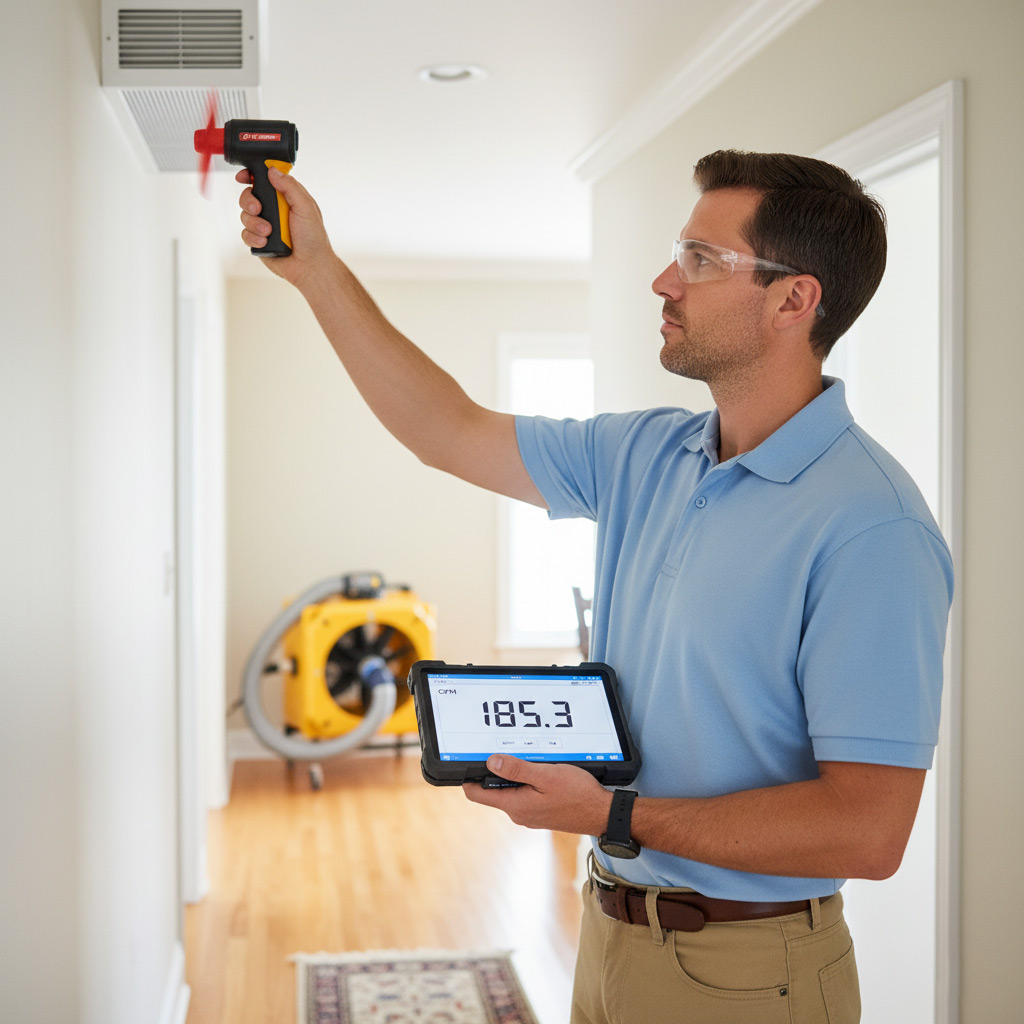
How to Choose a Qualified HVAC Technician in Fontana
Licensing & Insurance
First thing: make sure the tech holds a valid California C‑20 contractor license. Without it, you’re gambling with a stranger’s tools and your home.
What to verify:
- License number – check it on the CA Contractors State License Board site.
- General liability insurance – protects you if something goes sideways.
- Workers’ comp – covers injuries on the job.
Check the Reputation
Word‑of‑mouth still beats Google ads. Ask neighbors, look at Yelp, and scan the Better Business Bureau.
Key signals:
- Consistent 4‑star+ ratings.
- Quick responses to complaints.
- Evidence of repeat customers.
Ask the Right Questions
Don’t settle for “we can fix it.” Probe for specifics. A qualified tech will explain the problem, the fix, and the cost.
Put these on your checklist:
- Are they NATE‑certified or factory‑trained?
- Will they provide a written estimate that breaks down labor and parts?
- Do they offer a warranty on both parts and workmanship?
Understanding Service Estimates: What’s Included and What’s Not
What the Estimate Should Spell Out
When a technician hands you a quote, it should read like a recipe—clear, step by step, and no surprise ingredients. You’ll see the exact labor hours, the cost of each part, and any required permits or disposal fees.
Look for a line that says “diagnostic fee” and note whether it’s waived if you proceed with the repair. That tiny detail can save you $50‑$100 on the final bill.
- Labor rate per hour – usually a flat rate, not a mystery markup.
- Part numbers and warranties – you’ll know if you’re getting a genuine OEM piece.
- Travel and service call fees – often a one‑time charge, not a recurring hit.
What’s Usually Left Out (and Why It Matters)
Many estimates skim over hidden costs that pop up once the wall is opened. Unexpected code upgrades or extra refrigerant can balloon the price if they weren’t listed up front.
Ask the contractor to flag any “contingency” items before they start. A simple question now prevents a nasty surprise later.
- Additional parts discovered during repair – e.g., a busted capacitor that wasn’t visible.
- Extended warranties or service plans – optional, but they should be itemized.
- Cleanup or disposal of old equipment – sometimes billed separately.
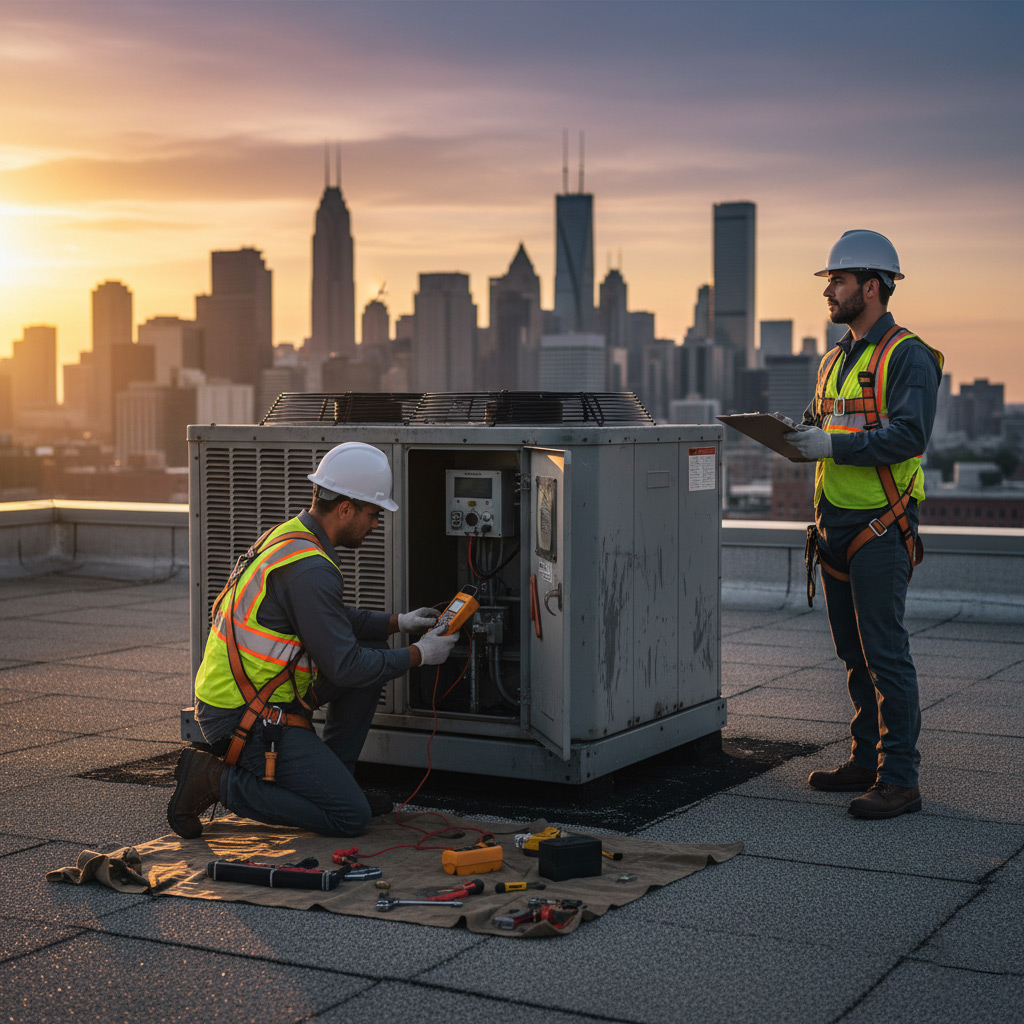
Preventative Maintenance Tips to Avoid Costly Breakdowns
Filter Changes – The Low‑Cost Lifesaver
Dirty filters are the silent assassins of HVAC efficiency. Swap them out every 30‑60 days and you’ll keep airflow smooth and bills low.
- Check the size – use the exact filter model your unit calls for.
- Mark the calendar – set a reminder on your phone.
- Upgrade to a high‑MERV filter if you have pets or allergies.
Seasonal Sweep‑Up
Spring and fall are the perfect windows to give your system a quick health check. A few minutes of inspection can stop a summer melt‑down or a winter freeze‑up.
- Clear debris from the outdoor condenser – leaves, twigs, and dirt are enemies.
- Inspect the thermostat for accurate readings; recalibrate if needed.
- Look for loose or frayed wiring and tighten connections.
Professional Tune‑Up
Even the savviest DIYer can’t replace a certified tech’s eye. Schedule a full service once a year and you’ll dodge surprise repair tickets.
- Technician will test refrigerant pressure and recharge if low.
- Lubricate moving parts to prevent wear and noisy operation.
- Run a diagnostic scan – catches hidden faults before they explode.
Case Study: How a Timely Repair Saved a Fontana Family $2,500
The Situation
When the Martinez family noticed a faint buzzing from their furnace in early September, they brushed it off as “just getting used to the heat.” They kept the thermostat at 72°F and hoped the noise would disappear. By the time the unit shut down completely, the repair quote was already climbing toward $3,000.
The Mistake
Instead of calling a pro, they tried a quick fix: a DIY capacitor swap from a hardware store. The result? A blown fuse, a smoky smell, and a call to the insurance company. The lesson was clear:
- Ignore warning signs and you pay later.
- DIY parts rarely match OEM specifications.
- Every extra hour of downtime adds to the bill.
The Turnaround
After the failed DIY attempt, they called a certified Fontana HVAC technician. The pro diagnosed a cracked heat exchanger—a problem that, if left unchecked, would have required a full system replacement. The repair cost $1,200, and the family avoided a $2,500 replacement expense. Quick action saved them thousands and kept their home comfortable all winter.
Final Words
When it comes to your HVAC system, the cheapest route is rarely the smartest. A little foresight now saves you from a massive bill later, and it keeps your home comfortable when the heat rolls in.
Take Action Today
- Schedule a professional inspection before the summer peak.
- Swap out dirty filters every 30‑45 days – it’s a $5 fix that pays for itself.
- Keep a written record of every service; it’s your leverage when negotiating future work.
Need a reliable partner who knows Fontana’s climate inside out? Check out our HVAC Repair page for vetted technicians, transparent pricing, and a track record of getting families back to comfort fast.
Stay One Step Ahead
Set a calendar reminder for seasonal maintenance. A quick call in spring or fall can catch a failing component before it turns into a $2,500 nightmare. Remember, the best repair is the one you never have to do.
People Also Ask
What are the most common warning signs that my HVAC system needs repair?
A sudden loss of airflow, unusual noises, and inconsistent temperatures are immediate red flags. Additionally, frequent cycling, higher energy bills, and foul odors indicate underlying issues that shouldn’t be ignored.Why is DIY HVAC repair risky in Fontana?
DIY fixes can void warranties, cause safety hazards, and lead to improper repairs that worsen the problem. Professional technicians have the tools, training, and local code knowledge to ensure a safe, lasting solution.How can I verify that an HVAC technician in Fontana is qualified?
Check for proper licensing, insurance, and certifications such as NATE or EPA. Look for positive customer reviews, years of experience in the area, and membership in reputable industry associations.What should be included in a detailed HVAC service estimate?
A clear estimate lists labor costs, parts, taxes, and any additional fees, along with a description of the work to be performed. It should also specify warranty coverage and whether permits or disposal fees are required.How does regular preventative maintenance save money on HVAC repairs?
Routine maintenance catches minor issues before they become major failures, extending equipment lifespan and improving efficiency. This reduces energy costs and prevents expensive emergency repairs down the line.
Fontana HVAC brings over a decade of certified HVAC expertise to the Fontana community. Their technicians are trained in the latest heating, cooling, and indoor air quality solutions, ensuring reliable performance year‑round. As a locally owned company, they prioritize responsive service and personalized support for homes and businesses throughout Fontana, CA.
Need HVAC?
Fast, reliable solutions for your needs in Fontana, CA, and surrounding areas (92335, 92336, 92337).
Request Fast Quote