Picture this: the thermostat hits 78°F, the AC kicks in, and your electric meter barely flinches. That’s the kind of payoff a smart HVAC layout can deliver for a Fontana homeowner who refuses to let the desert heat drain the wallet.
In a city where summer feels like a furnace and winter can surprise you with a chill, the right mix of ductwork, zoning, and high‑tech controls isn’t a luxury—it’s a necessity. You’ll learn how to match the local climate, your home’s footprint, and the latest gear without blowing your budget.
Ready to see the exact steps that turn a regular system into a money‑saving powerhouse? Keep reading and you’ll walk away with a blueprint you can hand to any contractor and watch the savings roll in.
Understanding Fontana’s Climate and Energy Codes
Fontana sits in the high desert, so you’ll see summer highs push past 100°F while winter nights dip into the 30s. Those swings demand an HVAC system that can handle both furnace‑level heat and desert‑level cooling without wasting power. The city’s low humidity means you’ll feel the heat more intensely, so proper sizing is non‑negotiable.
What the local code forces you to do
California’s Title 24 energy standards are the baseline, but Fontana adds a few extra checkpoints to keep the grid from blowing up. When you hand a plan to a contractor, they’ll check every box:
- Minimum SEER 15 for air conditioners and heat pumps.
- AFUE 90% or higher for gas furnaces.
- HSPF 8.5+ for heat‑pump water heaters.
- Mandatory insulation R‑values for walls, attics, and ducts.
Missing any of those items can trigger a permit delay or a costly re‑work later. Think of the code as the rulebook that keeps your system from being a money‑sucking black hole.
Key climate data to feed your design
Grab the latest Weather Station data or use the DOE’s Climate Data Online tool. You’ll want to note:
- Design cooling temperature: 95°F (typical peak).
- Design heating temperature: 35°F (nighttime low).
- Average annual cooling degree days (CDD): ~2,200.
- Average heating degree days (HDD): ~400.
Those numbers drive the load calculation, which is the first step toward a system that pays for itself. Skip the guesswork and let the data call the shots.
Conducting a Home Energy Audit and Load Calculation
Why an Audit Matters
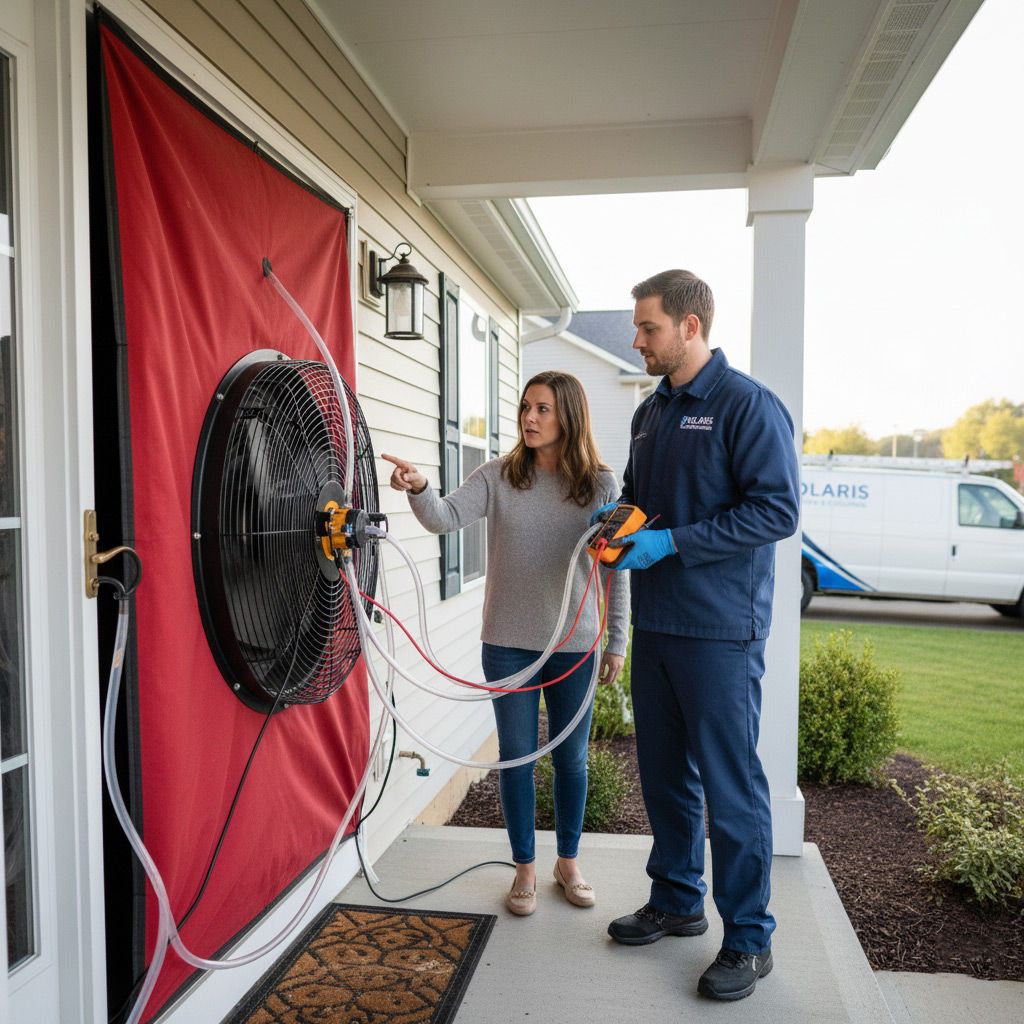
Before you spend a dime on new gear, you need to know exactly what your house is asking for. A quick walk‑through with a thermal camera or even a simple smoke pen can reveal leaks that are stealing comfort. Spotting those weak spots early saves you from over‑sizing equipment later.
Step‑by‑Step Load Calculation
Grab a notebook, a calculator, and the floor plan of your home. Follow these three moves:
- Measure each room’s square footage, ceiling height, and window orientation.
- Factor in local climate data—Fontana’s summer peaks at 105°F, winter dips to 35°F.
- Apply the Manual J formula or let a certified technician run the numbers for you.
When the math is done, you’ll have a clear BTU demand for cooling and heating. That number is the blueprint for every component you’ll select next.
Tools You Can Use Today
Don’t wait for a pro if you’re on a budget. These DIY tools give you a solid baseline:
- Infrared thermometer – spot‑check wall temps in a few seconds.
- Smart plug energy monitor – see which appliances are hogging power.
- Online load calculators – plug in your room data and get instant results.
Use the data, compare it to the specs on potential units, and you’ll avoid the common mistake of buying a system that’s too big, too small, or just plain wrong.
Selecting High‑Efficiency Equipment (SEER, AFUE, HSPF)
What the Ratings Mean
Before you chase a fancy model, know the scorecard. SEER (Seasonal Energy Efficiency Ratio) tells you how much cooling power you get per watt of electricity. AFUE (Annual Fuel Utilization Efficiency) measures furnace heat output versus fuel burned. HSPF (Heating Seasonal Performance Factor) is the heat‑pump equivalent for winter.
- Higher numbers = lower bills.
- SEER ≥ 15 is a solid baseline for Fontana’s scorching summers.
- AFUE ≥ 90% keeps the furnace from guzzling natural gas.
- HSPF ≥ 8.5 gives you a warm house without the thermostat screaming.
Matching Ratings to Fontana
Fontana’s climate swings hard, so you need gear that handles both ends. Pick a unit that clears the local code minimums and then add a margin for comfort.
- Cooling: aim for SEER 16‑18 to shave 10‑15% off your electric bill.
- Heating: a furnace with AFUE 95% or a heat pump with HSPF 9‑10 will keep winter costs in check.
- Don’t forget the climate‑adjusted sizing; an oversized unit will cycle too fast and waste energy.
Beyond the Numbers
Ratings are only part of the story. Look for variable‑speed compressors, modulating gas valves, and smart‑ready communication ports.
- Variable‑speed tech adapts to load changes, delivering steady comfort.
- Modulating furnaces fine‑tune flame output, cutting fuel use.
- Smart‑ready units talk to thermostats, letting you program schedules that match your lifestyle.
Designing Ductwork and Zoning for Optimal Airflow
Right‑size the ducts, right away
Too big and you waste fan power; too small and you choke the system. Measure the actual CFM demand for each room, then pick a duct diameter that keeps static pressure under 0.5 in wg.
Use smooth‑walled metal or rigid flex instead of corrugated plastic. The smoother the interior, the less friction, and the lower the electric bill.
Zone like a pro
Split your home into logical zones—living area, bedrooms, garage. Each zone gets its own thermostat and motorized damper, so you only heat or cool where it’s needed.
Smart dampers close off empty rooms in the middle of summer, letting the main unit run at a lower capacity. That translates to fewer start‑stops and a longer lifespan for your equipment.
Key design tips
- Keep runs as short and straight as possible; every elbow adds resistance.
- Seal every joint with mastic or UL‑listed foil tape—no air leaks.
- Balance the system after installation with a professional blower door test.
- Install return air paths in each zone; a house that only pushes air in will struggle to stay comfortable.
- Consider variable‑speed fans; they adapt to load changes without hunting.
Integrating Smart Controls and Home Automation
In a place where the sun never takes a day off, a thermostat that learns your schedule is worth its weight in gold. Smart controls let you dial the temperature from your phone, so you never waste power cooling an empty house.
Key Devices to Consider
- Wi‑Fi programmable thermostat – learns patterns, adjusts on the fly.
- Wireless zone dampers – shut off airflow to rooms you’re not using.
- Smart vents – balance pressure without a full duct redesign.
- Humidity sensors – keep the desert dryness in check while you’re away.
All of these gadgets talk to each other through a single hub, so you can set a “away” mode with one tap. The hub syncs with Alexa, Google Home, or Apple HomeKit, giving you voice control without lifting a finger.
Wiring It Up Without a Headache
Most modern units run on low‑voltage wiring that a qualified electrician can finish in a morning. If you already have a smart thermostat, add a relay module for each zone and you’re set.
Don’t forget to secure a strong Wi‑Fi signal in the garage or attic – a simple mesh extender can save you from spotty connections. Once the network is solid, the system updates itself, so you’re always running the latest algorithms without lifting a screwdriver.
Case Study: Energy‑Smart HVAC Retrofit in a Fontana Ranch‑Style Home
The Home at a Glance
Our client lives in a classic 2,200‑sq‑ft ranch built in the early ’90s, with three bedrooms, an open‑plan kitchen, and a detached garage that doubles as a workshop. The original system was a single‑stage 12‑SEER unit that ran nonstop during July and struggled to keep the garage warm in December.
Key facts before the upgrade:
- Square footage: 2,200 ft²
- Existing equipment: 12‑SEER split‑system AC, 80%‑efficiency furnace
- Insulation level: R‑13 walls, R‑30 attic
What We Changed
First, we performed a fresh load calculation and discovered the house was over‑cooled by 30%. We swapped the old unit for a 16‑SEER two‑stage condenser and a 95% AFUE furnace. Next, we installed a dedicated return for the garage and added a zoning damper for the master suite.
Smart controls were the game‑changer: a Wi‑Fi thermostat paired with a room‑by‑room sensor kit, plus a programmable vent controller that shuts off airflow to unoccupied zones. The whole system was wired to the homeowner’s Alexa hub for voice commands.
Results That Speak for Themselves
Within the first month, the electric bill dropped 28% compared to the same period last year. The homeowner reported a noticeable difference in temperature consistency—no more hot spots in the living room or cold drafts in the bedroom.
Payback? Roughly 3.5 years, based on utility savings and a modest rebate from the California Energy Commission. The retrofit turned a money‑draining relic into a quiet, responsive system that pays for itself while keeping the family comfortable year‑round.
Final Words
Now that you’ve got the blueprint, the real work begins: pick a licensed contractor who knows Fontana’s heat and can read your load calculations like a book. Ask for proof of SEER and AFUE ratings, and don’t settle for “good enough.” A solid install is the only thing that will keep your meter from screaming every summer.
What to Do Next
Before you sign any paperwork, run through this quick checklist. It’ll keep you from getting stuck with a half‑baked system.
- Verify the contractor’s California Energy Commission credentials.
- Confirm that the duct design meets the HVAC System Design standards for your home’s square footage.
- Ask for a written warranty on both equipment and labor.
- Check local rebates for high‑efficiency units – they can shave thousands off the price.
Finally, set up a schedule for seasonal tune‑ups. A clean coil and a calibrated thermostat are the cheapest insurance policy you’ll ever buy. Keep an eye on your energy bills; if they don’t dip within the first few months, call your installer back and demand a performance check. That’s how you turn a smart design into real cash in your pocket.
People Also Ask
What climate factors in Fontana should influence HVAC design?
Fontana’s hot, dry summers and mild winters require a system that can handle high cooling loads while maintaining efficiency during cooler months. Incorporating high SEER units and proper insulation helps balance these seasonal demands.How does a home energy audit improve HVAC sizing?
An energy audit identifies heat loss, gain, and insulation gaps, allowing precise load calculations. Accurate sizing prevents oversizing, reduces energy waste, and extends equipment lifespan.Which efficiency ratings matter most for Fontana homeowners?
Look for SEER ≥ 16 for air conditioners, AFUE ≥ 90% for furnaces, and HSPF ≥ 9 for heat pumps. Higher ratings translate to lower utility bills in Fontana’s climate.Can zoning and smart thermostats lower energy use?
Zoning directs conditioned air only where needed, while smart thermostats adjust settings based on occupancy and weather. Together they can cut HVAC energy consumption by up to 30%.What are the key steps in retrofitting a Ranch‑style home for energy‑smart HVAC?
Start with a detailed load analysis, replace outdated units with high‑efficiency models, upgrade ductwork for airtightness, and install zone controls with a smart thermostat. This approach maximizes comfort and reduces monthly energy costs.
Fontana HVAC brings over a decade of professional heating and cooling service to the Fontana community. Their team of certified technicians combines local knowledge with industry‑leading practices to keep homes and businesses comfortable year‑round. Committed to responsive service and transparent communication, they prioritize the unique needs of each Fontana customer.
Need HVAC?
Fast, reliable solutions for your needs in Fontana, CA, and surrounding areas (92335, 92336, 92337).
Request Fast Quote