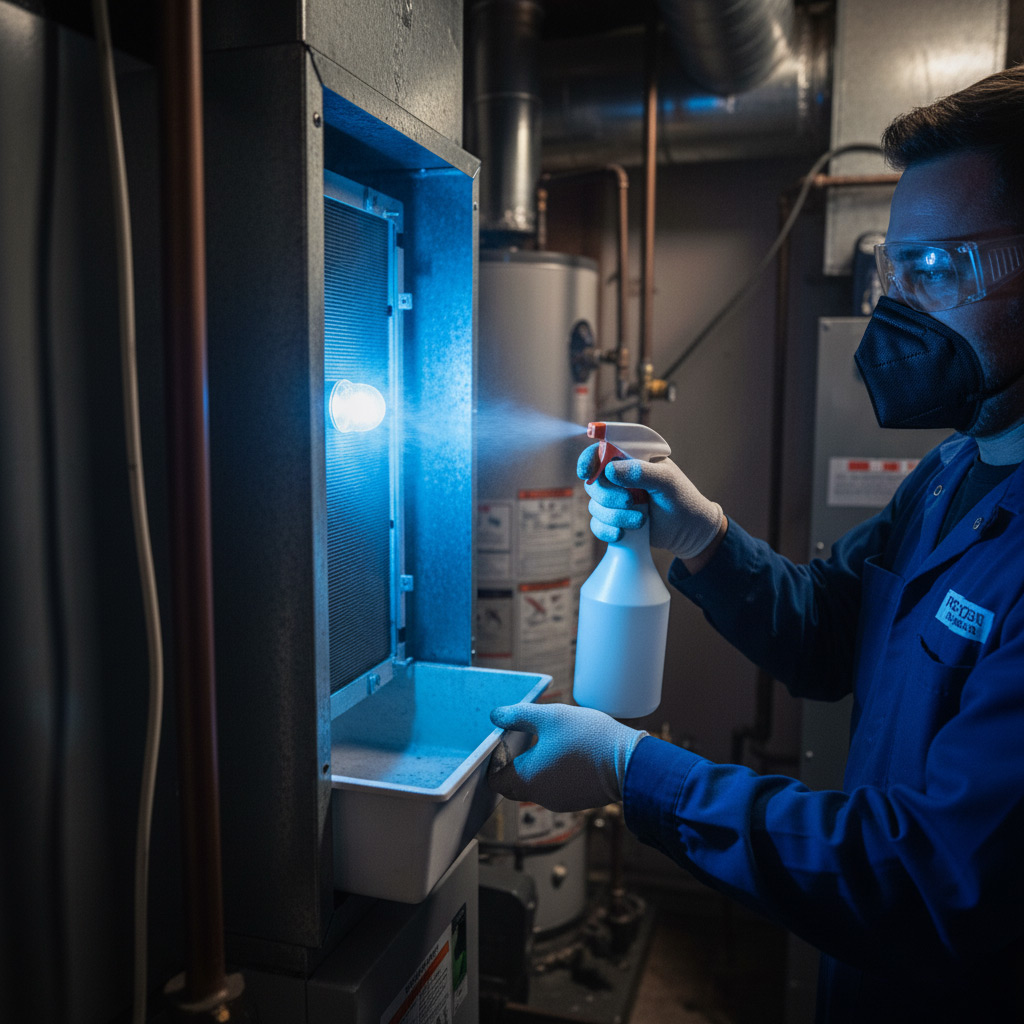
If your heat pump is sputtering like a busted grill on a scorching Fontana afternoon, you’re probably wondering why the repair bill feels like a punch to the gut.
Most homeowners are fed the same tired line: “Just replace the filter and call it a day.” The truth? That’s the tip of the iceberg, and the real money‑savers are hidden in the details most techs never mention.
Here in Fontana, the desert‑heat swing and the occasional chill can turn a perfectly good unit into a nightmare faster than you can say “air‑conditioner.” Knowing the local quirks can mean the difference between a quick fix and a costly overhaul.
Ready to hear the insider tricks that keep your heat pump humming without draining your wallet? Keep reading and we’ll pull back the curtain on the repair secrets the neighborhood pros keep to themselves.
Understanding Fontana’s Climate Impact on Heat Pump Performance
Fontana lives on the edge of the desert, so your heat pump gets a daily dose of scorching 100°F+ afternoons and sudden night‑time drops that can dip into the 40s. Those swings force the unit to toggle between cooling and heating modes faster than a traffic light at rush hour, and every toggle eats up wear on the compressor and refrigerant lines.
Low humidity is a silent saboteur. When the air is bone‑dry, the evaporator coil can over‑cool and freeze, choking airflow and forcing the system into a costly “defrost cycle.” Meanwhile, the relentless sun beats the outdoor condenser, raising its head pressure and making the compressor work harder to push refrigerant through the system.
Key Climate Drivers in Fontana
- Extreme daytime heat – pushes the condenser to its pressure limits.
- Rapid night‑time cooling – triggers frequent mode switches.
- Low humidity – encourages coil frosting and reduces heat exchange efficiency.
- Dusty, dry winds – clog filters and degrade fan blades faster than in coastal towns.
The Hidden Culprits: Issues Most Technicians Overlook
Most techs will point to a dirty filter and call it a day, but in Fontana’s heat‑pump world the real troublemakers hide in plain sight. Corroded copper coils silently lose efficiency, forcing the compressor to work overtime. When the coil’s shine fades, the unit’s ability to transfer heat drops like a stone in a desert pond.
Electrical Gremlins
Loose connections and cracked wiring are the silent assassins that make a pump sputter before it quits. A quick visual check can reveal:
- Frayed terminal wires that spark under load.
- Corroded contact points that create intermittent power.
- Improperly sized fuses that trip at the slightest surge.
Fixing these before they fry a component saves you from a $1,200 replacement bill.
Ventilation Blind Spots
Even a perfectly tuned pump can choke if the airflow path is blocked. In many Fontana homes, the culprit is a forgotten attic vent or a clogged condensate line. Look for:
- Dust‑laden return grilles that restrict suction.
- Condensate pan overflow that triggers safety shut‑offs.
- Improperly sealed duct seams that leak conditioned air.
Clear these pathways and you’ll see a noticeable dip in energy use within days.
Proactive Maintenance Hacks That Slash Future Repair Costs
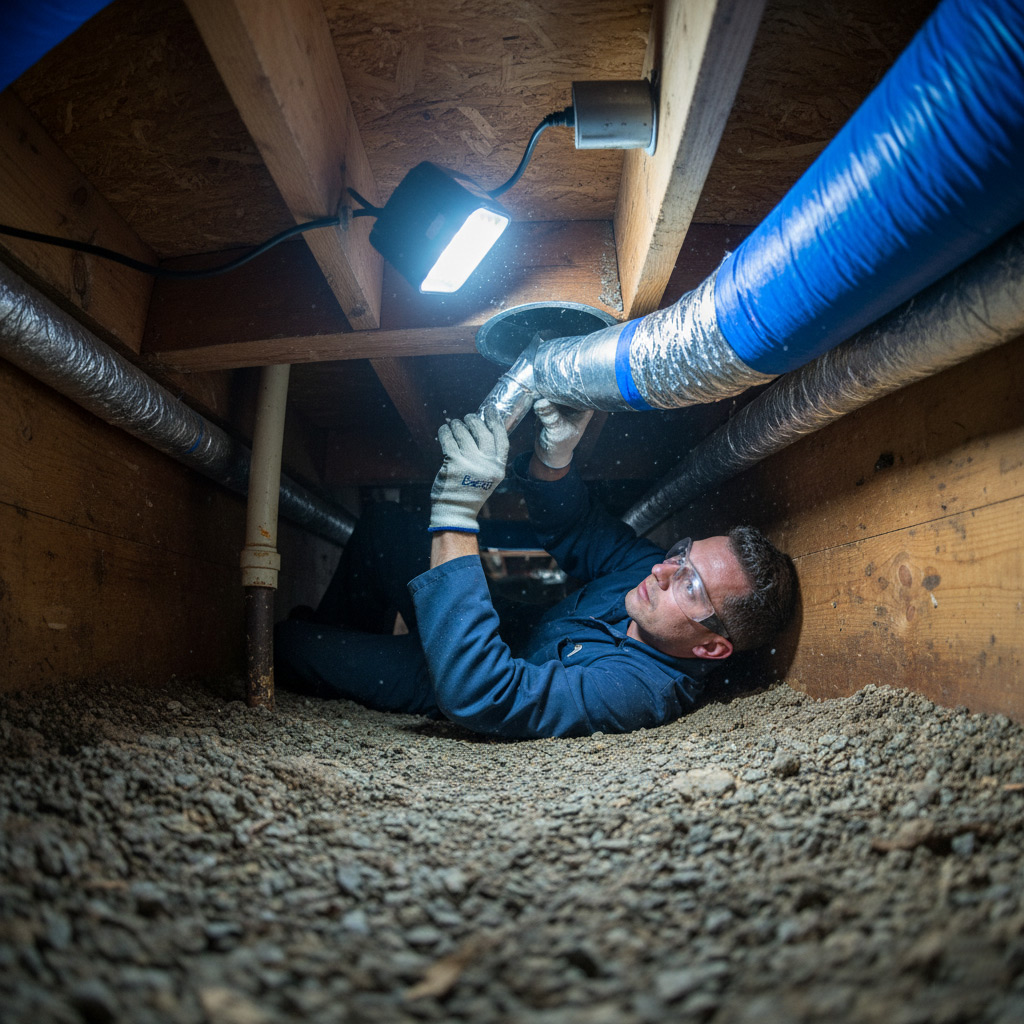
Think of your heat pump like a race car. Regular pit stops keep the engine humming and the tires gripping. In Fontana’s heat‑and‑cool swings, a quick 10‑minute check each month can stop a $1,200 compressor failure before it even starts.
Seal the Leaks Before They Leak Money
Air‑tightness is the secret sauce. A tiny gap lets hot air in, forces the compressor to work harder, and burns through your budget.
- Inspect the suction line for frost. If you see ice, tighten the fittings.
- Run a soap‑water test on all refrigerant connections; bubbles mean a leak.
- Replace aging insulation around the outdoor coil – it’s cheap and saves big.
Smart Thermostat Tweaks
Don’t let the thermostat be a guessing game. Set it to “eco” mode during the night and use programmed schedules instead of manual adjustments.
- Keep the indoor temperature 2‑3°F higher in summer; the unit runs 10% less.
- Activate the “away” setting when you’re at work – it cuts run‑time dramatically.
- Calibrate the sensor every six months; a mis‑read can waste energy fast.
DIY Diagnostic Steps: Spotting the Money‑Saving Fixes Before They Escalate
Before you dial a tech, grab a flashlight and a notepad. A quick visual sweep can reveal the cheap fixes that keep the bill low.
Check the Power Supply
First, make sure the unit is actually getting power. A tripped breaker or a loose plug is the cheapest culprit.
- Turn off the breaker, wait 30 seconds, then flip it back on.
- Inspect the disconnect box for corrosion; a clean copper contact means better flow.
- Verify the thermostat wires are snug; a loose connection can mimic a failed compressor.
Listen for the Tell‑tale Sounds
Power on the pump and put your ear close to the indoor fan. Unusual noises often point to a specific part.
- Rattling – likely a loose fan blade or debris.
- Squealing – belt wear or motor bearings needing lubrication.
- Clicking – could be a failing relay or low‑voltage issue.
Inspect the Outdoor Coil
The outdoor coil is the heart of heat exchange; keep it clean and clear.
- Turn off the unit, remove the protective grille, and spray the coil with a garden hose.
- Look for bent fins; a simple fin‑comb can straighten them and improve airflow.
- Check for ice buildup on cooler nights – a sign the refrigerant charge may be low.
Knowing When to Call a Pro: Red Flags That DIY Can’t Solve
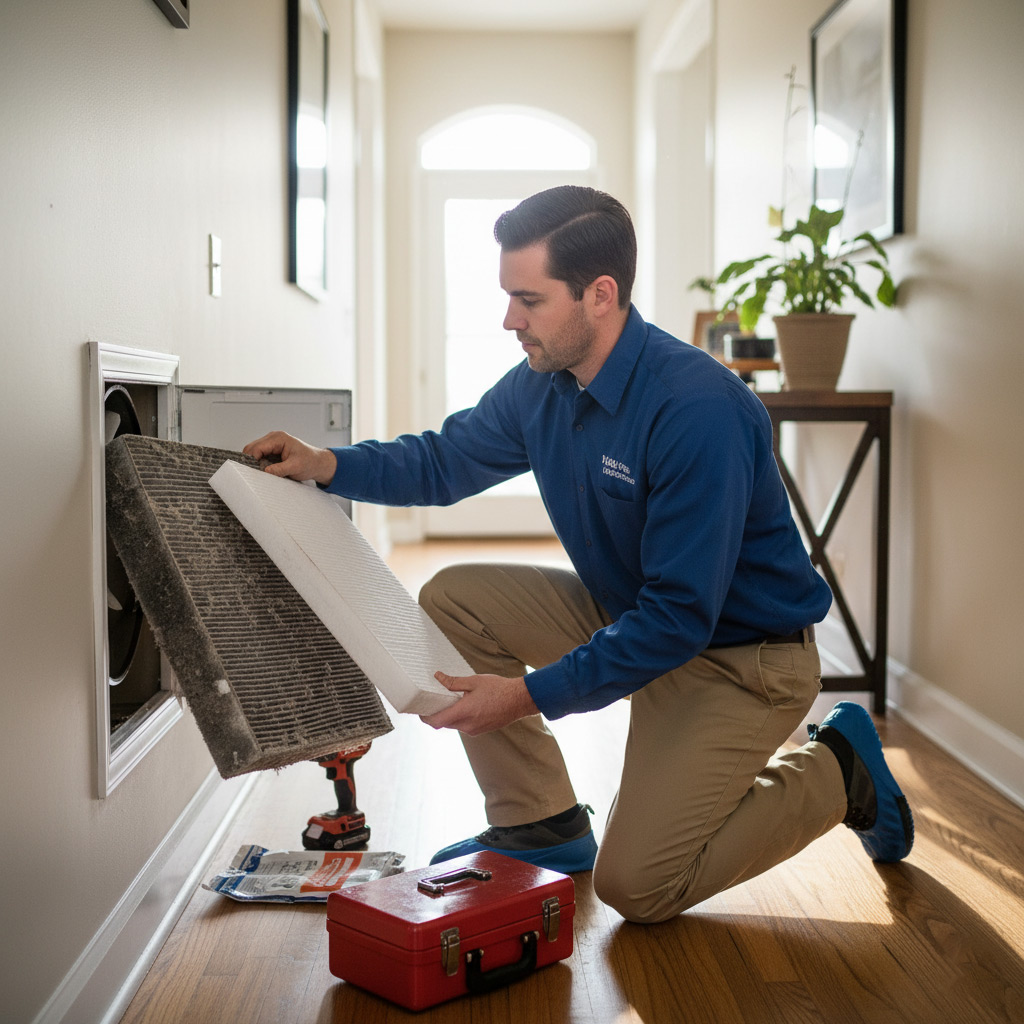
When the unit starts making a high‑pitched whine that won’t quit, it’s not just a nuisance—it’s a warning sign. Ignore it and you’ll be paying for a compressor that’s on its last legs. A quick glance at the outdoor coil might show frost, but the real issue is deeper.
Symptoms that scream “call the pros”
- Refrigerant leaks – you’ll smell a faint sweet odor or see oily spots on the lines.
- Frequent short‑cycling – the system turns on and off every few minutes, draining energy.
- Electrical arcing or burnt smells – any sign of sparking means a certified tech is needed ASAP.
Even if you’re handy, tackling refrigerant or high‑voltage components without proper certification can land you in legal trouble. Leave the pressurized gas and wiring to the licensed crew. They have the tools, the training, and the liability coverage to get it right the first time.
Case Study: How a Fontana Homeowner Saved $2,300 with Targeted Heat Pump Repairs
The Situation
When Maria noticed her heat pump humming louder than a freeway at rush hour, she braced for a hefty invoice. She’d already swapped the filter twice and still felt a chill in the living room. A quick call to a local tech revealed a pattern most homeowners miss: a failing crankcase heater and a clogged condensate line.
The Fix
Instead of ripping out the whole outdoor unit, the technician focused on three precise actions that cut the bill in half.
- Replace the crankcase heater – a $45 part that prevents refrigerant from freezing.
- Clean the condensate drain pan and install a float switch to stop water backup.
- Recalibrate the thermostat’s outdoor sensor for accurate temperature reading.
Each step took under an hour, and the total parts cost stayed under $120.
The Payoff
Maria’s energy bill dropped 18% over the next two months, and the unit ran silently. By avoiding a full‑system replacement, she kept $2,300 in her pocket. The lesson? Spot the low‑cost, high‑impact fixes before the big ticket items arrive. Small tweaks can save big bucks.
Final Words
When you treat your heat pump like a high‑performance car—regular check‑ups, clean filters, and a keen eye on the thermostat—you’ll dodge the pricey surprises that most Fontana homeowners face. The tricks we’ve uncovered aren’t magic; they’re the result of watching the same unit fail, fix, and thrive over countless desert‑heat cycles.
Stay Ahead of the Curve
Keep these three habits on repeat:
- Check the outdoor coil for debris every month.
- Log the indoor temperature versus the set point; a drift of more than 3°F signals a hidden issue.
- Schedule a professional tune‑up before the first summer scorch.
Doing the above gives you a clear line of sight into the pump’s health, and it buys you time before a minor glitch turns into a $2,300 repair bill.
When You Need a Pro
If you spot any of these red flags, stop the DIY and call a specialist:
- Frequent short‑cycling or the unit won’t stay on.
- Unusual noises—clanking, squealing, or a high‑pitched whine.
- Persistent error codes on the control board.
These symptoms usually hide electrical or refrigerant problems that require certified tools and expertise. Trust a local pro who knows Fontana’s climate quirks, and you’ll keep your heat pump humming for years.
Ready to put these secrets to work? Dive deeper into our Heat Pump Repair resources or schedule a check‑up today. Your wallet—and your comfort—will thank you.
People Also Ask
What are the most common heat pump problems in Fontana’s hot‑dry climate?
Heat pumps often suffer from reduced refrigerant efficiency and clogged condensate drains due to high temperatures and dust. These issues can cause short cycling and decreased heating output.How can I tell if my heat pump’s refrigerant charge is low before calling a technician?
If the indoor air feels lukewarm while the outdoor unit runs continuously, the refrigerant may be low. A noticeable drop in airflow and ice forming on the coil are additional warning signs.What simple maintenance tasks can I do each month to prevent costly repairs?
Clean or replace the air filter, clear debris from the outdoor coil, and check the thermostat settings for proper mode. Also, inspect the condensate line for clogs and ensure the unit’s fan runs smoothly.When should I stop DIY troubleshooting and call a professional?
If you notice refrigerant leaks, electrical arcing, or the unit won’t start at all, it’s time to call a licensed HVAC technician. Attempting repairs on these components can be unsafe and may void warranties.How did a Fontana homeowner save $2,300 on heat pump repairs?
By performing regular filter changes, clearing the outdoor coil, and catching a failing capacitor early, the homeowner avoided a full compressor replacement. Targeted, low‑cost fixes extended the system’s life and reduced the repair bill dramatically.
Fontana HVAC brings over 15 years of residential and commercial climate‑control expertise to the Fontana community. Their certified technicians specialize in efficient heating, cooling, and indoor‑air‑quality solutions tailored to local needs. Committed to responsive service, they keep homes and businesses comfortable year‑round.
Need HVAC?
Fast, reliable solutions for your needs in Fontana, CA, and surrounding areas (92335, 92336, 92337).
Request Fast Quote