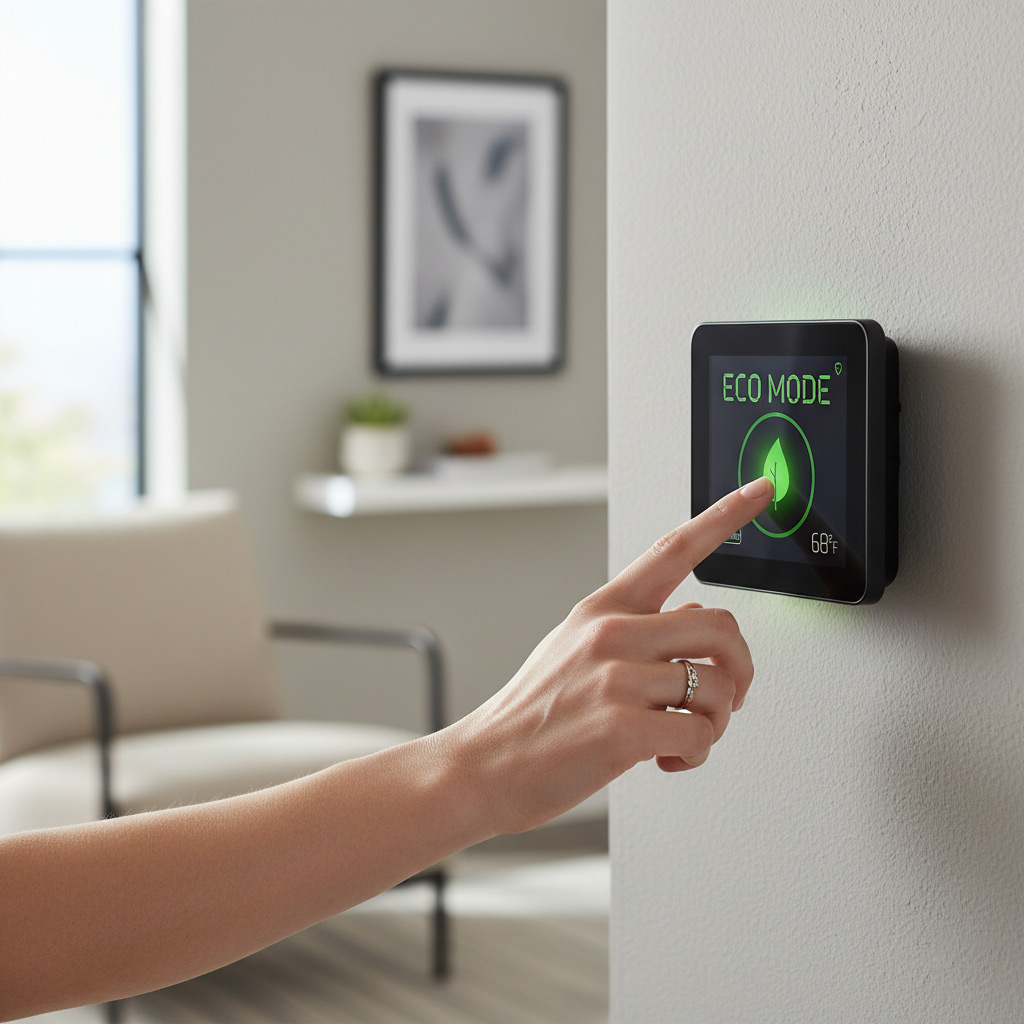
Picture this: you snag a brand‑new HVAC system for a fraction of the cost you’d cough up in the middle of summer. That’s not a myth—it’s what savvy homeowners in Fontana do when they time their replacement right.
When the scorching heat peaks, contractors are booked solid and prices climb. But in the cooler months, demand drops, inventory sits on shelves, and installers are eager to move units, which drives down labor and material costs.
Add to that the city’s utility rebates and seasonal tax credits that often disappear once the thermostat climbs. By syncing your purchase with these windows, you’re not just buying a system—you’re cashing in on a built‑in discount.
If you want to see exactly how to line up the calendar, the rebates, and the best installer rates, keep reading and you’ll learn the simple steps that turn a pricey upgrade into a smart investment.
Seasonal Demand and Pricing Trends in Fontana’s HVAC Market
When July hits 100°F, every homeowner in Fontana scrambles for a cool breeze. Contractors are booked solid, and the cost of a new unit can jump 15‑20% simply because the market is flooded with desperate buyers. That surge isn’t a myth—it’s pure supply‑and‑demand economics.
What the Numbers Reveal
- Peak summer (June‑August): labor rates rise 10‑12% and equipment markup climbs 8‑10%.
- Early fall (September‑October): demand drops 30%, giving you room to negotiate.
- Winter lull (December‑February): inventory sits on shelves, and many installers slash their fees by up to 20%.
In the cooler months, you’ll notice a quieter showroom floor and technicians who actually have time to explain options. That’s when you can snag a high‑efficiency system for a fraction of the summer price. The key is to watch the calendar, not just the thermostat.
Unlocking Utility Rebates and Tax Credits: When They’re Available
Seasonal rebate calendar
Most Fontana utilities roll out their biggest cash‑back offers in the shoulder months—think September through November.
During these windows, inventory sits idle, so companies hand out incentives to move units faster.
- September – October: Up to $500 off high‑efficiency heat pumps.
- November: “Winter Warm‑Up” rebate covering 20% of installation labor.
- December – January: Small “New Year” credit for smart‑thermostat bundles.
Federal & California tax incentives
The federal government still offers a 26% tax credit for qualifying ENERGY STAR systems, but the clock ticks.
California adds a state credit that expires at the end of the fiscal year—July 31.
- Check the IRS Form 5695 for the exact credit amount.
- Visit the California Energy Commission site for the latest state rebate codes.
How to lock in the money
Don’t wait for the invoice to arrive—grab the paperwork first.
Follow these three steps to make sure the rebate lands in your pocket:
- Ask the installer for a copy of the rebate eligibility sheet before the job starts.
- Submit the claim within 30 days of installation; most utilities reject late paperwork.
- Keep the receipt, model number, and serial number together; you’ll need them for both the rebate and the tax credit.
Ideal Timing Windows: Which Months Offer the Best Savings
Fall – The Sweet Spot
In Fontana, September through November is the gold mine for HVAC swaps. Contractors have cleared their summer backlog, and manufacturers push inventory before the holiday rush. Prices on units drop 10‑15%, and labor rates are at their lowest.
Take advantage of these perks:
- September: Early‑fall sales, still warm enough to test the system.
- October: Deep discounts, rebates still active.
- November: End‑of‑season clearance, installers eager to finish before winter.
Winter – Quiet but Powerful
December through February may feel too cold, but it’s a hidden treasure. Demand plummets, so installers will negotiate on price just to keep the trucks moving. Utility rebates often reset in January, giving you a fresh batch of credits.
Key moves:
- Schedule the install in early January to lock in the new rebate cycle.
- Ask for a “winter‑work discount” – many companies have a standard 5‑7% off for off‑peak jobs.
Spring – The Last Chance
March and April are the final window before the heat spikes. You still catch the tail end of winter pricing, but you also avoid the summer surge when everyone’s scrambling for cool air.
Tips for spring:
- Confirm the warranty start date – a spring install gives you a full year before the next summer.
- Check for any “early‑bird” tax credits that the state rolls out in March.
Negotiating Labor and Installation Costs During Off‑Peak Seasons
When the heat wave fades, contractors have open calendars and a hunger to fill them. That’s your bargaining chip. You can walk in and ask for a lower labor rate without sounding desperate.
Ask for a bundled price
Combine the unit, warranty, and installation into one package. It forces the installer to think about total profit, not just hourly wages. Most will bite because it simplifies their paperwork.
- Request a “seasonal discount” line item.
- Ask if they can throw in a free thermostat calibration.
- Negotiate a “no‑rush” surcharge waiver.
Finally, be ready to walk away. If a contractor knows you have other quotes, they’ll often shave a few hundred dollars off the labor bill just to keep the job. Timing + tactics = real savings.
Leveraging Energy‑Efficient Technology for Long‑Term ROI
High‑SEER Units Pay Off
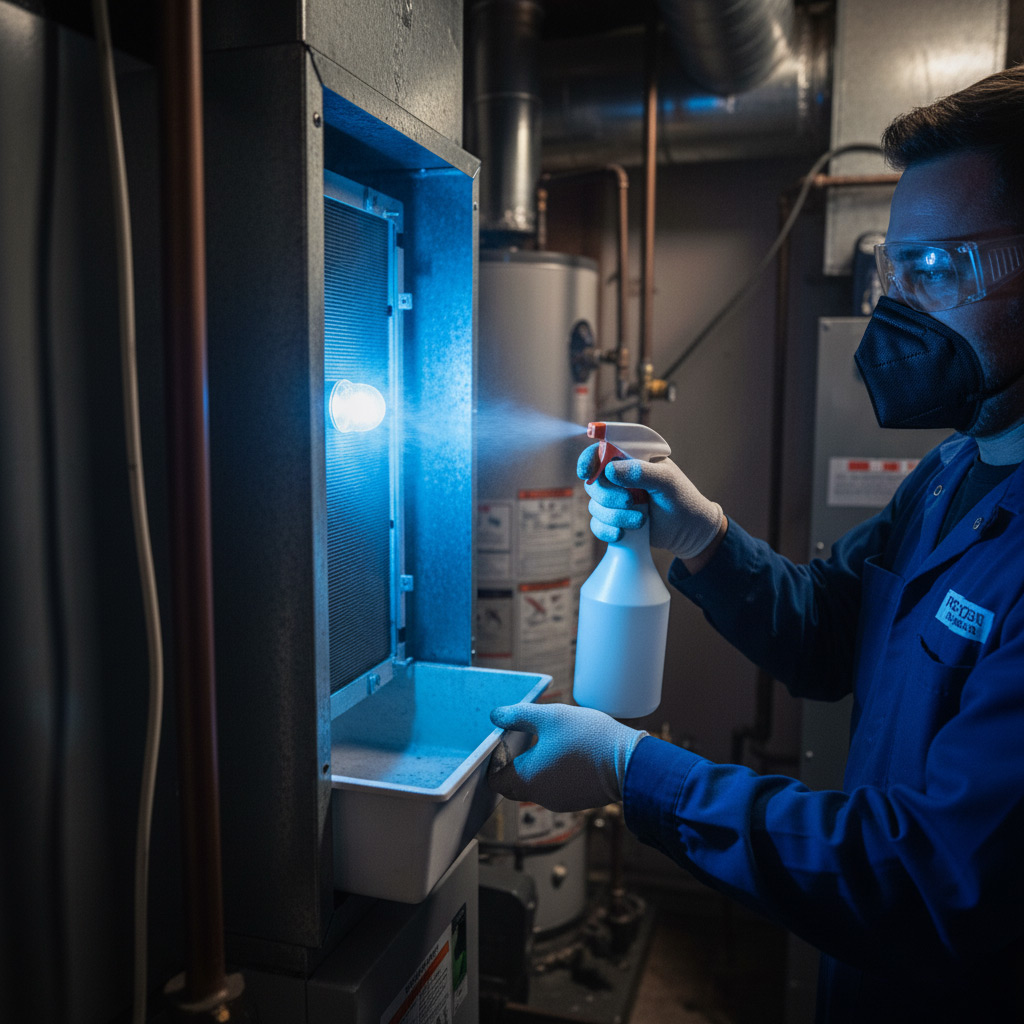
When you choose a system with a SEER rating of 16 or higher, you’re not just buying a cooler house—you’re buying a lower electric bill.
Think of it like this: every extra SEER point can shave off 2‑3% of your yearly usage. That adds up fast in Fontana’s hot months.
- Variable‑speed compressors adjust output on the fly, so you never waste power.
- Smart thermostats learn your schedule, cutting idle run‑time by up to 30%.
- Two‑stage cooling keeps humidity in check, protecting your home’s structure.
Calculating the Payback
Start with the upfront cost, then subtract the expected utility savings over five years.
Most homeowners see a break‑even point between 2‑3 years when they pair a high‑SEER unit with a rebate.
- Average annual savings: $400‑$600.
- Typical rebate: $300‑$800 (check San Bernardino County’s latest offers).
- Tax credit: up to 30% of the equipment cost, if you qualify.
Future‑Proof Features
Modern units talk to your phone, your solar panels, even your home battery.
That connectivity means you can fine‑tune performance without calling a tech.
- Wi‑Fi enabled diagnostics reduce service calls.
- Compatibility with solar net‑metering maximizes renewable energy use.
- Built‑in air‑quality sensors improve health while keeping energy use low.
Case Study: How a Fontana Homeowner Cut $2,500 by Replacing in Early Fall
Background
Mike R., a 42‑year‑old electrician in Fontana, noticed his 12‑year‑old furnace was sputtering every night. He knew a replacement was coming, but he didn’t want to pay summer rates.
Instead of waiting for the heat wave, Mike scheduled a consultation for early September. That timing turned out to be a gold mine.
What He Did Differently
- Checked utility rebates – Southern California Edison was offering a $600 credit for high‑efficiency units, but only through October 1.
- Negotiated labor – Installers were easing back after the peak season, so they quoted $1,200 less than the usual summer rate.
- Chose a Seasonal‑Ready model that qualified for a state tax credit of $800.
Bottom‑Line Savings
Mike’s total invoice was $7,300. After applying the $600 rebate, $800 tax credit, and the $1,200 labor discount, his out‑of‑pocket cost dropped to $4,800.
That’s a $2,500 reduction compared to a typical summer install. The system also runs 15 % more efficiently, shaving another $150 off his monthly electric bill.
Final Words
Ready to lock in the savings? HVAC Replacement specialists in Fontana are already mapping out the next off‑peak window. Grab the calendar, set a reminder, and start gathering quotes before the summer rush hits.
Three quick moves to seal the deal
- Check rebate calendars now—many utilities post deadlines in early September.
- Ask for a price‑match guarantee when you compare three local installers.
- Schedule the install for a weekday; crews are less booked and often offer a discount.
Keep an eye on local news and utility newsletters. A tiny tweak in timing can turn a $7,000 system into a $5,500 investment that pays for itself in a few years.
People Also Ask
When is the best time of year to replace an HVAC system in Fontana?
The optimal window is early fall (September‑October) or late winter (January‑February) when demand is low and contractors have more availability. Prices for equipment and labor are typically lower during these off‑peak periods.How do seasonal pricing trends affect HVAC replacement costs in Fontana?
During summer and winter peaks, suppliers raise prices due to high demand, and installers charge premium rates for urgent jobs. Scheduling your replacement in a shoulder season can shave 10‑15% off the total cost.Are there utility rebates or tax credits for HVAC upgrades in Fontana, and when are they offered?
California’s Energy Commission and local utilities release rebates each calendar year, often aligning with the start of the fiscal year (July 1). Checking the program deadlines early ensures you capture the incentives before they expire.Can I negotiate lower labor costs by scheduling installation during off‑peak months?
Yes, contractors are more willing to offer discounts or flexible financing when their schedules aren’t packed. Requesting a written quote in the off‑season can yield savings of $200‑$500 on labor alone.What long‑term savings can I expect from installing an energy‑efficient HVAC system now?
High‑efficiency units can reduce annual energy bills by 15‑30%, translating to $300‑$800 in yearly savings for a typical Fontana home. Over a 10‑year lifespan, the ROI often exceeds the initial investment, especially when combined with rebates.
Fontana HVAC brings over a decade of professional heating and cooling service to the Fontana community. Their team of certified technicians combines local knowledge with industry‑leading practices to keep homes and businesses comfortable year‑round. Committed to responsive service, they prioritize safety, efficiency, and customer satisfaction.
Need HVAC?
Fast, reliable solutions for your needs in Fontana, CA, and surrounding areas (92335, 92336, 92337).
Request Fast Quote