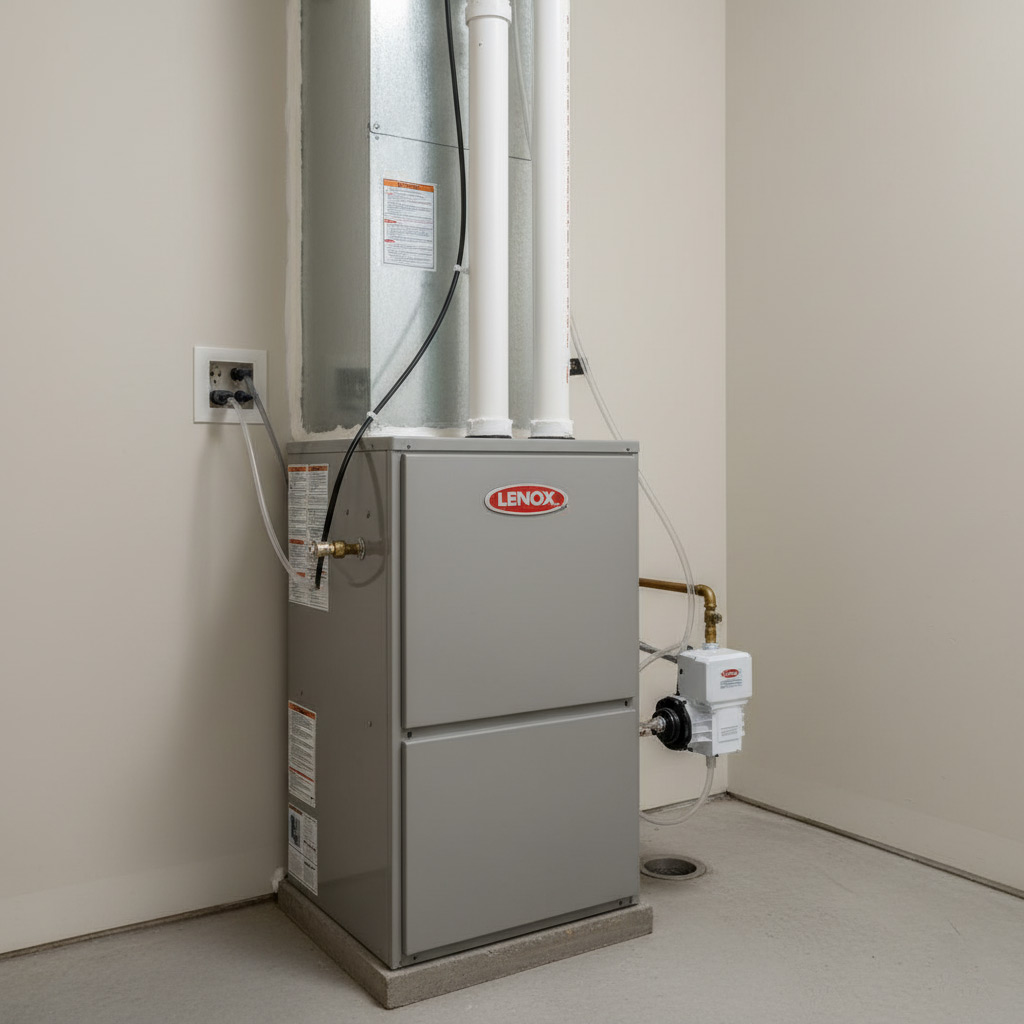
If your furnace is coughing louder than a 90‑year‑old pickup on a cold morning, you’re probably staring at a costly mistake.
Age alone isn’t the villain—it's the drop in heat output, strange noises, and those sky‑high energy bills that scream something’s wrong.
Here in Fontana, where winter nights can dip below freezing, a failing furnace isn’t just an inconvenience; it’s a comfort‑killer that can leave your family shivering.
So, how do you know when it’s time to pull the plug and call in a pro? Keep reading to discover the tell‑tale signs that mean it’s time for a new furnace.
Understanding Furnace Lifespan in Fontana’s Climate
In Fontana, the desert‑edge climate throws a wide temperature swing at your HVAC system. A furnace that’s built for mild winters will feel the strain when night temps dip below 30°F. Age alone isn’t the whole story—it’s how the unit handles those cold snaps that determines its true lifespan.
Key factors that shave years off a furnace
- Temperature extremes: Repeated heating cycles force the heat exchanger to expand and contract, accelerating metal fatigue.
- Dusty, dry air: Fontana’s low humidity can dry out seals, leading to leaks and reduced efficiency.
- Installation quality: A mis‑sized unit or poor ductwork creates excess wear and higher utility bills.
Most manufacturers rate a furnace for 15‑20 years under ideal conditions. In our area, expect the sweet spot to be closer to 12‑15 years if you keep up with maintenance. When a unit starts to lag behind the climate’s demands, it’s a signal to start planning the next move.
Warning Signs That Indicate It’s Time for a New Furnace
Uneven or Weak Heat Distribution
When some rooms stay chilly while others feel like a sauna, the furnace is losing its mojo. It’s not just a draft—it’s a sign the heat exchanger or blower is on its last legs.
Check the thermostat reading against the actual room temperature. If there’s a gap of more than 10°F, you’re probably looking at a failing unit.
Strange Noises and Smells
A rattling, squealing, or grinding sound is a red flag. Those noises mean moving parts are wearing out or misaligned.
And if you catch a whiff of burning dust or gas, shut it down immediately. That’s a safety issue, not a DIY fix.
Sky‑High Energy Bills
When your electric bill spikes without a change in usage, the furnace is working harder than it should. Inefficiency eats money.
Run a quick comparison: last year’s bill vs. this year’s same‑month bill. A 20% jump? Time to consider a replacement.
Frequent Repairs
If you’ve called a tech more than twice in the past year, the repair‑vs‑replace math tilts toward new gear.
- Each repair adds up—often more than a brand‑new unit’s price.
- Older models have parts that are harder to find.
- Older units lack modern efficiency ratings.
Age and Warranty Expiration
Most furnaces in Fontana last 15‑20 years. Once the warranty is gone, you’re on the hook for every fix.
When the clock hits the 15‑year mark, start budgeting for a swap. Don’t wait for a breakdown.
Repair vs. Replacement: How to Calculate the True Cost
The Math Behind the Decision
First, pull the numbers out of the black box. Add up the *immediate* repair bill, then stack on labor, parts, and any emergency fees.
Next, compare that total to the price of a brand‑new furnace plus installation. If the repair cost is more than 50 % of a new unit, you’re probably looking at a short‑term fix.
- Repair estimate (parts + labor)
- Installation cost for a new furnace
- Potential rebates or tax credits
Hidden Costs That Bite
Old furnaces guzzle power like a thirsty mule. An inefficient unit can add $150‑$300 to your monthly electric bill in Fontana’s chill.
Factor in frequent breakdowns, higher maintenance visits, and the risk of a total shutdown on a freezing night. Those “minor” expenses pile up fast.
ROI and Break‑Even Point
Calculate the payback period by dividing the extra upfront cost of a new furnace by the annual savings on energy and repairs.
If you’ll recoup the investment in under five years, the numbers are screaming “replace now.” Anything longer, and you might still be better off fixing the current unit—until it isn’t.
Selecting the Ideal Replacement Furnace for Your Home and Budget
Size Matters
First, get the right BTU rating for your square footage. Too small and you’ll be shivering; too big and you’ll waste cash on unnecessary heat. A quick load calculation from a certified tech will tell you exactly what you need.
Efficiency Ratings That Pay Off
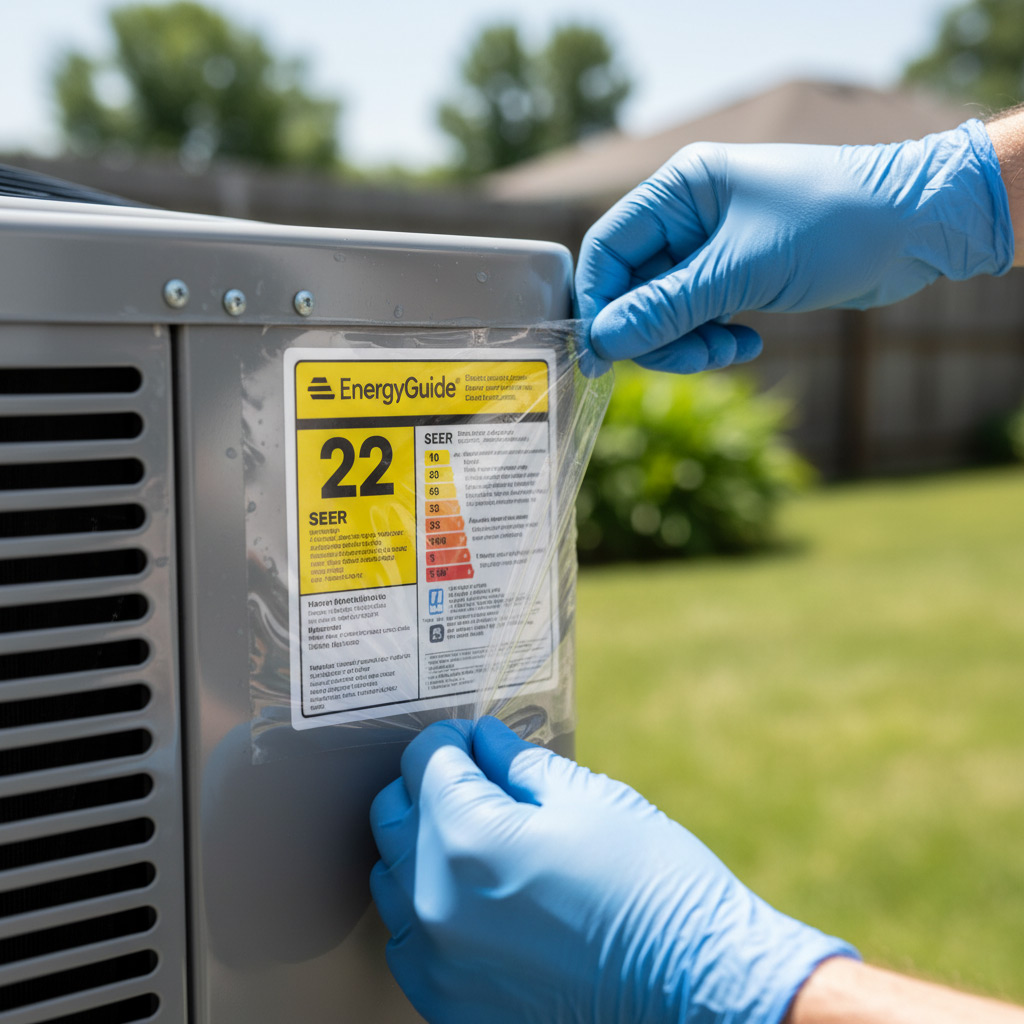
Look for a furnace with a Seasonal Energy Efficiency Ratio (SEER) that matches your wallet. Modern units range from 80% to 98% AFUE. The higher the number, the lower your monthly bill—simple math.
Budget‑Friendly Choices
Don’t let price scare you; there are solid options at every price point. Consider these three tiers:
- Entry‑level: Reliable, basic features, good for tight budgets.
- Mid‑range: Better controls, quieter operation, and a longer warranty.
- Premium: Smart thermostats, variable‑speed blowers, and the highest efficiency.
Ask your installer about rebates and financing. Many manufacturers offer incentives that can shave hundreds off the sticker price.
The Installation Process: What to Expect from Your HVAC Professional
Pre‑Installation Checklist
Before the first wrench turns, the tech will walk your home, verify clearances, and confirm the correct furnace size for Fontana’s winter swings.
They’ll also pull any required permits and double‑check that your existing ductwork can handle the new unit’s airflow.
- Measure living space and calculate BTU needs
- Inspect electrical panel capacity
- Confirm venting path meets local codes
Day‑Of Installation
The old furnace is hauled away, and the crew preps the site—cleaning the area, sealing gaps, and protecting flooring.
Installation itself is a precise dance: the new furnace is set on a level pad, connected to gas, electricity, and the duct system, then tested for leaks.
- Secure mounting brackets
- Attach gas line with leak detection
- Run a full ignition and safety check
Post‑Install Walkthrough
Once everything hums, the technician runs a performance test, shows you how to set the thermostat, and explains routine maintenance.
They’ll hand you the warranty paperwork, point out the service filter location, and answer any lingering questions before they leave.
Case Study: Replacing a 20‑Year‑Old Furnace in a Fontana Family Home
Background
When the Martinez family noticed their heating bills climbing faster than a desert sun, they called us. Their 20‑year‑old furnace was sputtering, producing a *high‑pitched whine* and leaving rooms at uneven temperatures. A quick inspection revealed three red flags:
- Frequent short‑cycling – the unit turned on and off every few minutes.
- Corroded heat exchanger – a safety hazard that could leak carbon monoxide.
- Age‑related wear on the blower motor, causing weak airflow.
The Solution
We recommended a high‑efficiency, 95% AFUE gas furnace that matched the home’s square footage and the family’s budget. The selection process focused on:
- Compatibility with the existing ductwork.
- Warranty length – a 10‑year parts guarantee sealed the deal.
- Smart thermostat integration for better control.
Installation day was a coordinated effort: old unit out, new unit in, and a thorough system test. The crew sealed all connections, calibrated the blower, and performed a combustion analysis to ensure safe operation.
Results
Within the first month, the Martinez household reported a 30% drop in heating costs and consistent warmth throughout the house. The new furnace’s quiet operation eliminated the nightly rattles that once kept the kids awake. Homeowner Sarah Martinez summed it up: “We finally feel safe and comfortable, and the savings are a pleasant surprise.”
Final Words
Don’t wait for the next freeze to discover your furnace is on its last legs. A little foresight now saves you from a night of shivering and a stack of repair invoices later.
Take Action Today
- Schedule a professional inspection before the first cold snap.
- Compare the cost of a single repair versus a full replacement.
- Ask about energy‑efficient models that qualify for rebates.
When you’re ready to move forward, choose a contractor who knows Fontana’s climate inside out. A proper fit means consistent heat, lower bills, and peace of mind.
Need a Pro?
Our team specializes in HVAC Replacement and can guide you from selection to installation. HVAC Replacement services are just a click away—let’s get your home warm and worry‑free.
People Also Ask
How long does a furnace typically last in Fontana’s climate?
A furnace in Fontana usually lasts 15‑20 years, but the hot, dry summers and occasional temperature swings can shorten its lifespan if it isn’t properly maintained.What are the most common signs that my furnace needs replacing?
Look for frequent breakdowns, rising energy bills, uneven heating, strange noises, and a furnace that’s over 15 years old. These indicators suggest the unit is losing efficiency and may be nearing the end of its service life.When should I choose replacement over repair?
If repair costs exceed 50% of the price of a new furnace or you’ve needed more than two major repairs in the past three years, replacement is usually the smarter financial choice.What size furnace is right for a typical Fontana home?
A professional load calculation considers square footage, insulation, window type, and local climate. Most Fontana single‑family homes need a furnace sized between 80,000 and 120,000 BTU.How much does it cost to replace a furnace in Fontana, CA?
The total cost, including equipment and installation, typically ranges from $3,500 to $7,500, depending on the furnace efficiency rating, brand, and any necessary ductwork upgrades.
Fontana HVAC brings over a decade of professional heating and cooling service to the Fontana community. Their team of certified technicians combines industry expertise with a deep understanding of local climate needs. Committed to reliable, energy‑efficient solutions, they keep homes and businesses comfortable year‑round.
Need HVAC?
Fast, reliable solutions for your needs in Fontana, CA, and surrounding areas (92335, 92336, 92337).
Request Fast Quote